
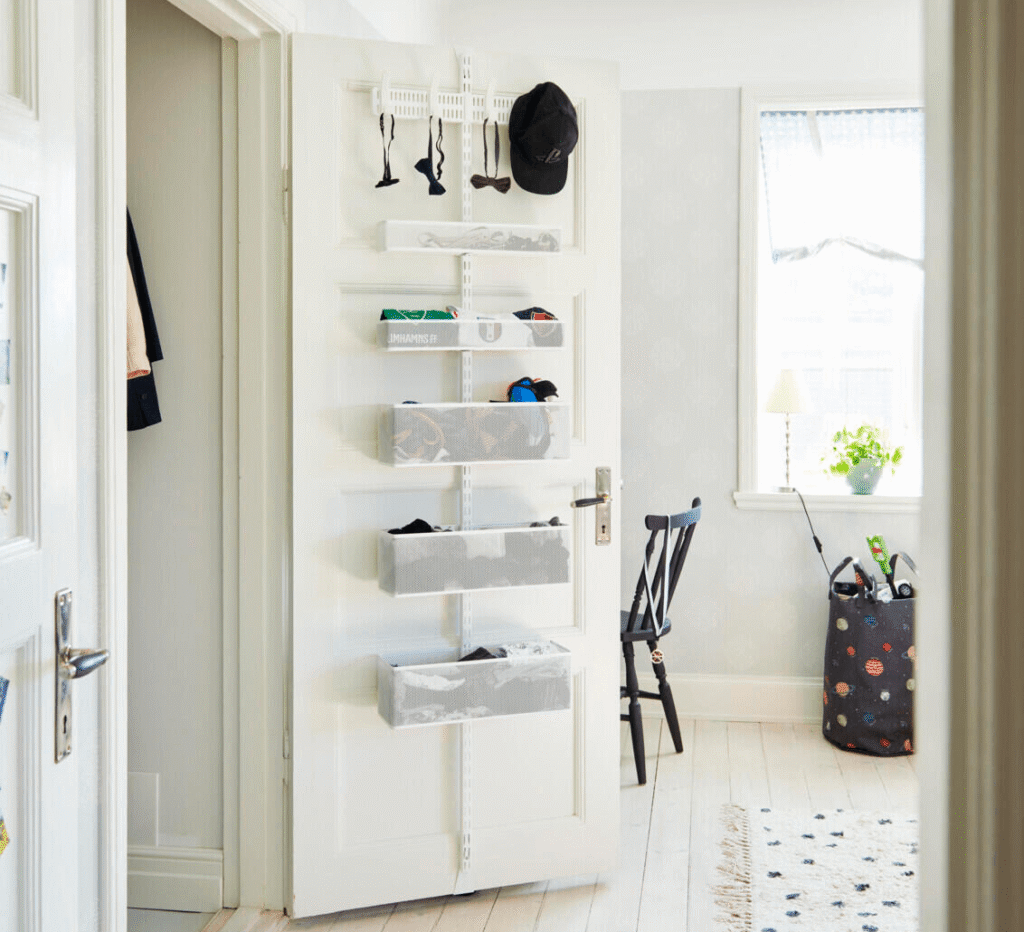
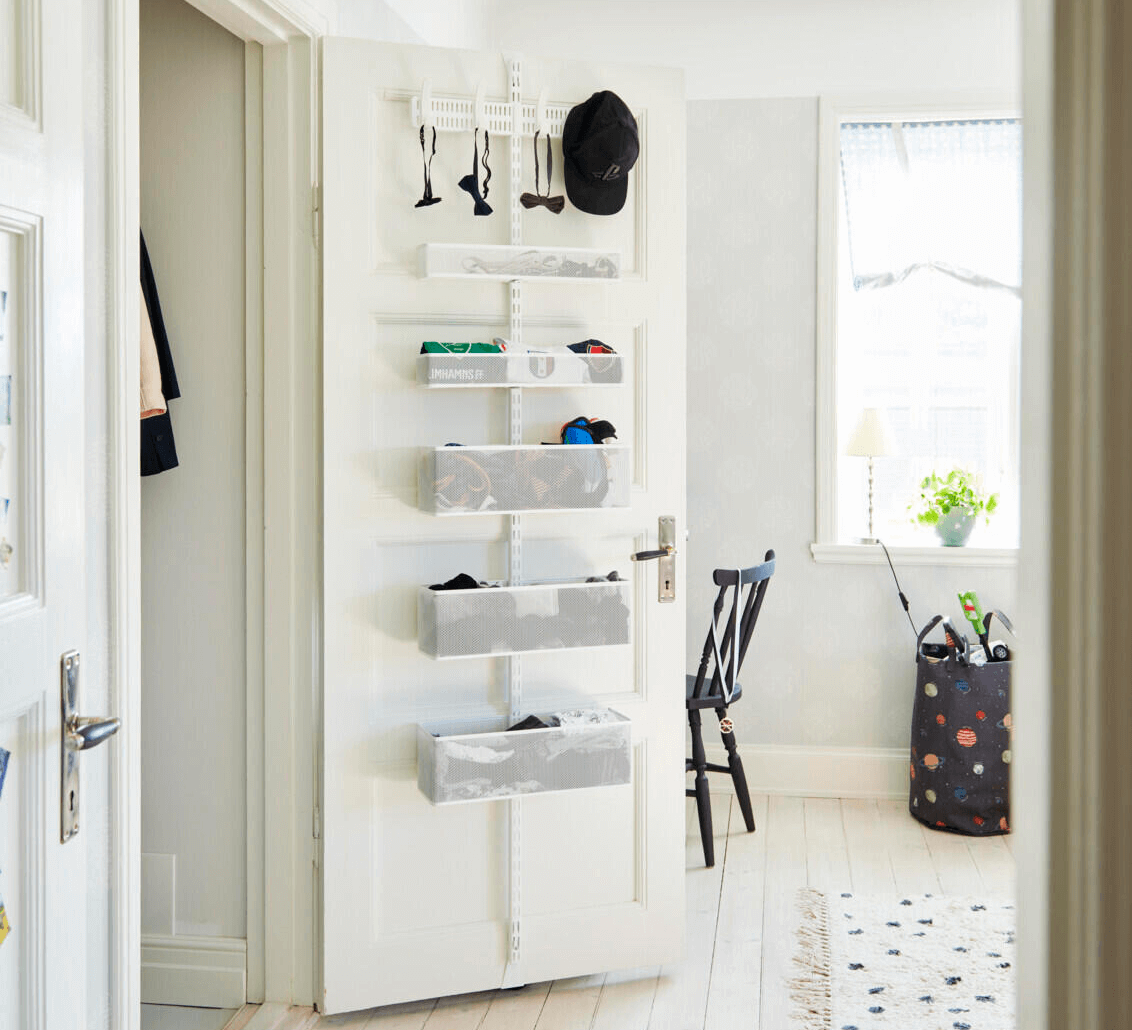
In today’s world of Pinterest boards and TikTok hacks, it’s easy to get swept up in the excitement of DIY home organization. The idea of crafting a DIY over-the-door organizer — saving money, customizing every detail, and showing off your handiwork—sounds like a win-win. But is it really the best use of your time and resources?
Let’s be honest: the promise of a quick, budget-friendly DIY over-the-door organizer often hides a few inconvenient truths. While making your own organizer can be a fun weekend project, the reality is that commercial over-the-door organizers are now so affordable and well-designed that the DIY route rarely saves you much money or effort. In fact, once you factor in the cost of materials, the time spent gathering supplies, and the hours of assembly, the DIY option can quickly become more of a hassle than it’s worth.
Most people don’t realize that a typical DIY over-the-door organizer can take several hours and may require buying tools or materials you’ll only use once. Meanwhile, ready-to-use organizers are available at prices that often rival or beat the total cost of a DIY project, and they’re designed to last.
If you’re looking for a quick, reliable way to maximize your storage space, you might want to skip the glue gun and check out the best commercial options instead. (For instant solutions, don’t miss our upcoming buyer’s guide to the top over-the-door organizers.)
This article isn’t here to knock your creative spirit, but it will explain why, for most people, a DIY over-the-door organizer just doesn’t add up. Let’s take a closer look at the real costs, time investment, and trade-offs involved.
The True Cost of DIY Projects
The Myth of “Cheap” Materials
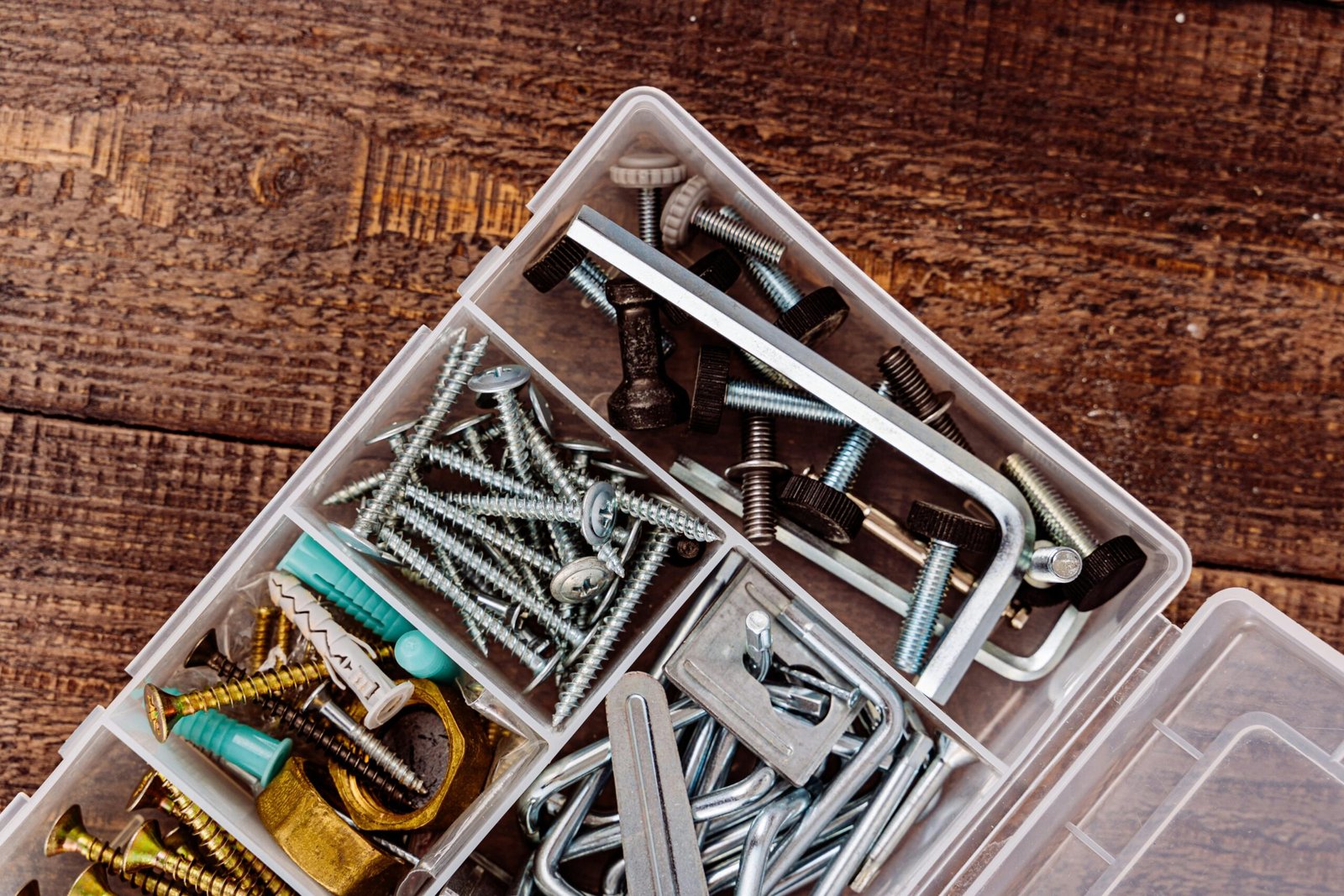
At first glance, a DIY over-the-door organizer seems like a budget-friendly project. Social media is full of tutorials promising storage solutions for just a few dollars using basic supplies like hooks, fabric, or even repurposed household items. But when you dig deeper, those “cheap” projects often come with hidden costs.
Think about what goes into a DIY organizer: fabric or bins, hooks, glue, spray paint, or extra hardware to make it all work. Those little extras add up quickly, even if you’re sourcing from discount stores. It’s not uncommon for the total cost of materials to match—or even exceed—the price of a ready-made organizer. And if you want your DIY project to look polished and last more than a few months, you’ll likely need to invest in higher-quality supplies, which can push your costs even higher.
The Hidden Price of Your Time
Money isn’t the only thing you’ll spend on a DIY over-the-door organizer—your time is on the line, too. Gathering all the right materials often means trips to multiple stores, and that’s before you even start building. Once you’re home, you’ll need to measure, cut, assemble, and possibly troubleshoot if things don’t go as planned.
A simple project can easily take several hours from start to finish. That’s an entire afternoon or even a whole weekend for most people. Compare that to a commercial organizer, which you can hang up and use in under five minutes. If your schedule is packed, the time savings alone can make the store-bought option much more appealing.
The “Tool Tax” Trap
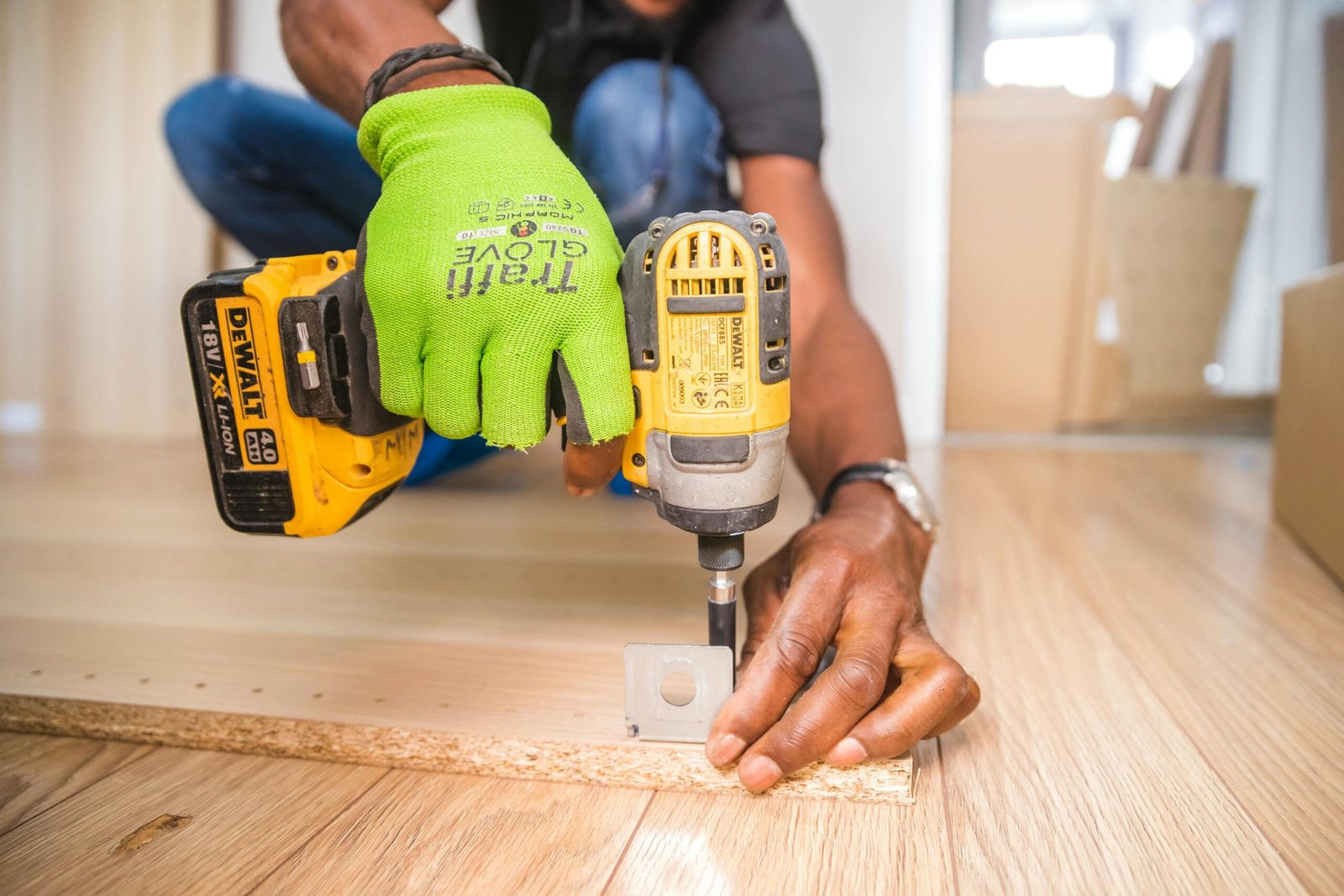
One detail many DIY tutorials gloss over is the need for tools. Sure, some projects claim “no tools required,” but even the simplest builds often need pliers, a hammer, or a glue gun. If you don’t already have these, you’ll need to buy or borrow them, adding unexpected expense and hassle. And if you’re not comfortable with basic DIY skills, the learning curve can quickly turn a fun idea into a frustrating chore.
When you add up the cost of materials, the value of your time, and the potential need for new tools, the DIY route for over-the-door organizers often costs more, both in cash and effort, than buying a ready-made solution. For most people, the convenience and reliability of a commercial organizer are hard to beat.
Quality and Durability Concerns
Structural Limitations of DIY Organizers
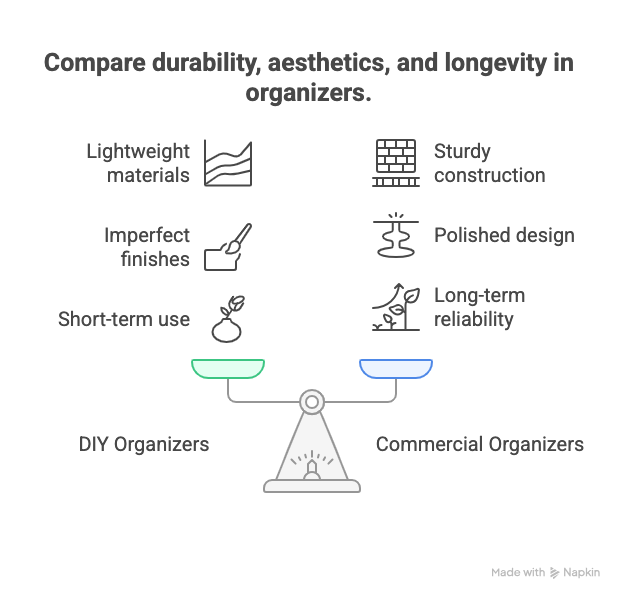
It’s easy to imagine that a DIY over-the-door organizer will be just as sturdy as something you buy off the shelf, but the reality is often different. Most DIY projects rely on lightweight materials like thin fabric, plastic bins, or improvised hooks. While these can work for a while, they’re rarely designed to handle the weight of shoes, cleaning supplies, or pantry items over the long term.
Commercial organizers, on the other hand, are engineered for daily use. They typically feature reinforced stitching, sturdy frames, and weight-tested hooks that keep everything securely in place. A homemade organizer might look great on day one, but sagging fabric, bent hooks, or even a collapsed rack are common frustrations after a few weeks of use.
Aesthetic Trade-Offs
Let’s face it: not every DIY project looks like the inspiration photo. While crafting your own organizer allows for customization, it also leaves plenty of room for imperfections. Uneven seams, visible glue, or mismatched materials can leave your organizer looking more like a temporary fix than a polished solution.
Commercial options are designed to blend seamlessly with your home’s decor. They offer clean lines, uniform colors, and professional finishes that are tough to replicate with DIY methods. If you care about aesthetics as much as function, a store-bought organizer often wins hands down.
Longevity and Everyday Use
Durability isn’t just about materials—it’s about how well your organizer withstands daily life. DIY solutions might work for light items or occasional use, but they often fall short when faced with the rigors of a busy household. Commercial organizers are built to last, with features like reinforced pockets, rust-resistant hardware, and easy-to-clean surfaces.
If you want an over-the-door organizer that works month after month, the commercial route is usually the smarter investment. You’ll spend less time repairing, replacing, or reassembling and more time enjoying a clutter-free space.
When DIY Might Still Make Sense
Ultra-Customization for Unique Spaces
There are situations where a DIY over-the-door organizer actually shines. Building your own might be the way to go if you have an unusually sized door, a quirky storage need, or a specific vision that no commercial organizer can fulfill. Maybe you want pockets perfectly sized for craft supplies or an organizer that fits a narrow pantry door—customizing every detail is something only DIY can offer.
For renters or homeowners with non-standard doors, the ability to tailor an organizer to exact measurements can be a real advantage. Remember that achieving a custom fit often requires advanced sewing, woodworking, or creative problem-solving skills.
The Joy of the Creative Process
Not every DIY project is about saving money or time. For many people, the real reward is the creative journey itself. If you love crafting, enjoy working with your hands, or feel satisfaction from building something from scratch, making your own over-the-door organizer can be a fulfilling hobby.
The process can be enjoyable if you’re working with kids, want to upcycle materials, or simply crave a weekend project. In these cases, the value isn’t measured in dollars or durability—it’s about personal satisfaction and the story behind your creation.
When DIY Is Worth It
Suppose your main goal is to express creativity, solve a unique storage challenge, or enjoy making something yourself. In that case, a DIY over-the-door organizer can be worth your time. Just remember: for most everyday storage needs, the convenience and reliability of commercial options are hard to beat. But DIY still has its place for those who love a hands-on challenge or have a truly one-of-a-kind space.
Better Alternatives to DIY
Affordable Commercial Organizers
Commercial over-the-door organizers are hard to beat if your main goal is to get organized quickly and efficiently. These days, you’ll find a wide range of options in every style and price point—from simple fabric pockets to sturdy metal racks and clear plastic units. Many are designed to fit standard doors, require zero tools for installation, and can be used in minutes.
Moreover, commercial organizers are built with durability and convenience in mind. They often feature reinforced seams, adjustable hooks, and easy-to-clean materials. For most people, these ready-made solutions offer reliability and polish that’s tough to replicate with a DIY project. Commercial organizers are the clear winner if you want a shortcut to a clutter-free home.
Are you curious about the best options for your space? Check out our buyer’s guide to the top over-the-door organizers for every need.
Space-Saving Hacks Without the Hassle
Not ready to commit to a full organizer but still want to maximize your space? Plenty of clever, low-effort ways exist to add storage without breaking out the glue gun. Try using tension rods to hang lightweight baskets or bins on the back of a door. Adhesive hooks can instantly create spots for bags, scarves, or cleaning tools. Even repurposing items you already own—like shoe pockets or small baskets—can give you extra storage where you need it most.
These simple hacks are budget-conscious, renter-friendly, and require almost no tools or DIY skills. They’re perfect for anyone who wants a quick storage fix without the time or expense of building something from scratch.
Why Convenience Wins for Most People
The best storage solution is one that fits your lifestyle and gets used. Commercial over-the-door organizers’ convenience, durability, and affordability make them the obvious choice for most households. You’ll save time, avoid frustration, and enjoy a tidier home—no crafting required.
Final Thoughts
So, is a DIY over-the-door organizer really worth your time? For most people, the answer is clear. While there’s a certain satisfaction in crafting something with your own hands, the hidden costs, time investment, and durability issues often tip the scales in favor of commercial options. Today’s ready-made organizers are affordable, designed to last, and blend seamlessly into your home.
If you’re seeking a quick, reliable way to maximize your space, skipping the DIY route can save you hours of effort and potential frustration. That means more time for the things you truly enjoy—and a more organized home, faster. Of course, if you love the creative process or have a unique storage challenge, there’s always room for a hands-on project. But for everyone else, convenience and peace of mind are just a click away.
Looking for the best solutions to simplify your space? Don’t miss our upcoming guide to the top over-the-door organizers—your shortcut to a clutter-free home.
Frequently Asked Questions
1. How much weight can an over-the-door organizer hold?
Most over-the-door organizers are designed for lightweight items and can typically hold between 10 and 50 pounds, depending on the materials and construction. Always check the manufacturer’s guidelines and avoid overloading to prevent damage to the door or organizer.
2. Will an over-the-door organizer damage my doors?
When used as intended, most over-the-door organizers won’t cause permanent damage. However, heavy loads or constant friction can lead to scratches, dents, or misalignment. Using felt pads or choosing organizers with protective hooks can help minimize wear.
3. What’s better: fabric or plastic over the door organizers?
Fabric organizers are lightweight, flexible, and easy to fold away when unused, making them ideal for soft goods and accessories. Plastic organizers are sturdier and easier to clean, which is great for bathrooms or kitchens. The best choice depends on what you plan to store and where you’ll use it.
4. Can over-the-door organizers fit narrow or apartment doors?
Many over-the-door organizers are designed to fit standard doors, but slim and adjustable options are available for narrower or apartment doors. Always measure your door’s thickness and height before purchasing to ensure a good fit.
5. Are DIY over-the-door organizers cheaper than buying one?
Not necessarily. While DIY projects can seem cost-effective, the price of materials, tools, and your time often matches or exceeds the cost of a ready-made organizer. Commercial options are typically more durable and quicker to set up, making them a better value for most people.
