

Global Rescue Review 2025: Worth It for Study Abroad?
The only provider offering field rescue from remote locations—but is this comprehensive protection necessary for your student studying abroad?
The Honest Assessment for Parents
This Global Rescue review 2025 evaluates whether the provider’s field rescue and medical evacuation services justify premium pricing for students studying abroad. Global Rescue provides comprehensive protection that makes sense for remote locations but may be overkill for urban university programs.
As a student matters attorney and former EMT, I understand the anxiety parents feel when their child studies abroad. The question isn’t whether you need protection—it’s whether you need Global Rescue’s level of protection. That answer depends entirely on where your student is going and what they’ll be doing.
This review evaluates Global Rescue from a parent’s perspective: Is the premium price justified? What specific scenarios does it cover that other providers don’t? And most importantly, will it give you genuine peace of mind or just an expensive insurance card your student never uses?
What Sets Global Rescue Apart
Global Rescue is fundamentally different from the other two main medical transport providers for students (Medjet and Emergency Assistance Plus). While both competitors focus on hospital-to-hospital transport, Global Rescue is the only provider that deploys medical teams to wherever your student is injured—before they reach a hospital.
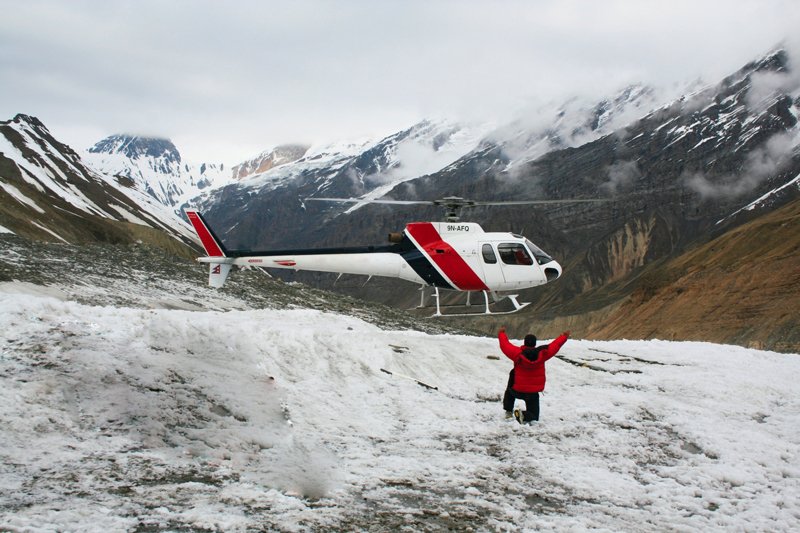
Global Rescue deploys helicopters and medical teams to remote injury locations
Field Rescue Capability
The core differentiator: Medical teams deploy to remote injury locations—wilderness, mountains, deserts—for pre-hospital extraction. No other provider offers this.
Medical Evacuation
No hospitalization required. Global Rescue evacuates based on medical necessity, not whether your student made it to a hospital first.
Military-Grade Expertise
Former Navy SEALs, Army Rangers, and critical care paramedics staff the 24/7 operations center—not just call center employees.
True Worldwide Coverage
Unlimited evacuation costs, no geographic restrictions. Operates in conflict zones and remote regions where other providers cannot.
Rapid Response Protocol
Operations center responds in under 30 minutes. Helicopter deployment within 2-6 hours to remote locations, weather permitting.
Optional Security Services
Add-on packages include travel security intelligence, threat assessment, and security evacuations for high-risk destinations.
When Global Rescue Makes the Difference
Understanding Global Rescue’s value requires looking at specific scenarios where their capabilities matter versus situations where basic transport coverage suffices.
Your student is: Conducting field research 6 hours by boat from the nearest hospital in Peru. She falls and sustains a suspected spinal injury.
Global Rescue response: Deploys medical team via helicopter directly to the research site. Paramedics stabilize on-site, evacuate to regional hospital, then arrange medical transport back to U.S. if necessary.
Other providers’ response: Cannot help until she reaches a hospital on her own. Research team must arrange dangerous 6-hour boat transport without medical supervision.
Your student is: Attending University of Barcelona. He develops appendicitis and goes to the local hospital for surgery.
Global Rescue response: Provides medical consultation, arranges hospital-to-home transport if medically necessary after surgery.
Other providers’ response: Provide the same hospital-to-home transport service. Emergency Assistance Plus does this at $450 less per year. Barcelona has excellent medical facilities and emergency services.
The key distinction: Global Rescue’s premium pricing purchases capabilities that matter enormously in remote locations but provide minimal additional value in urban environments with established emergency services.
How Global Rescue Works for Your Student
Before Travel: Preparation Phase
After enrolling, your student receives:
- Digital membership cards with 24/7 emergency contact numbers
- Pre-travel briefings available for destination-specific medical and security intelligence
- Risk assessment information for their specific study abroad location
- Mobile app access for easy emergency contact and documentation
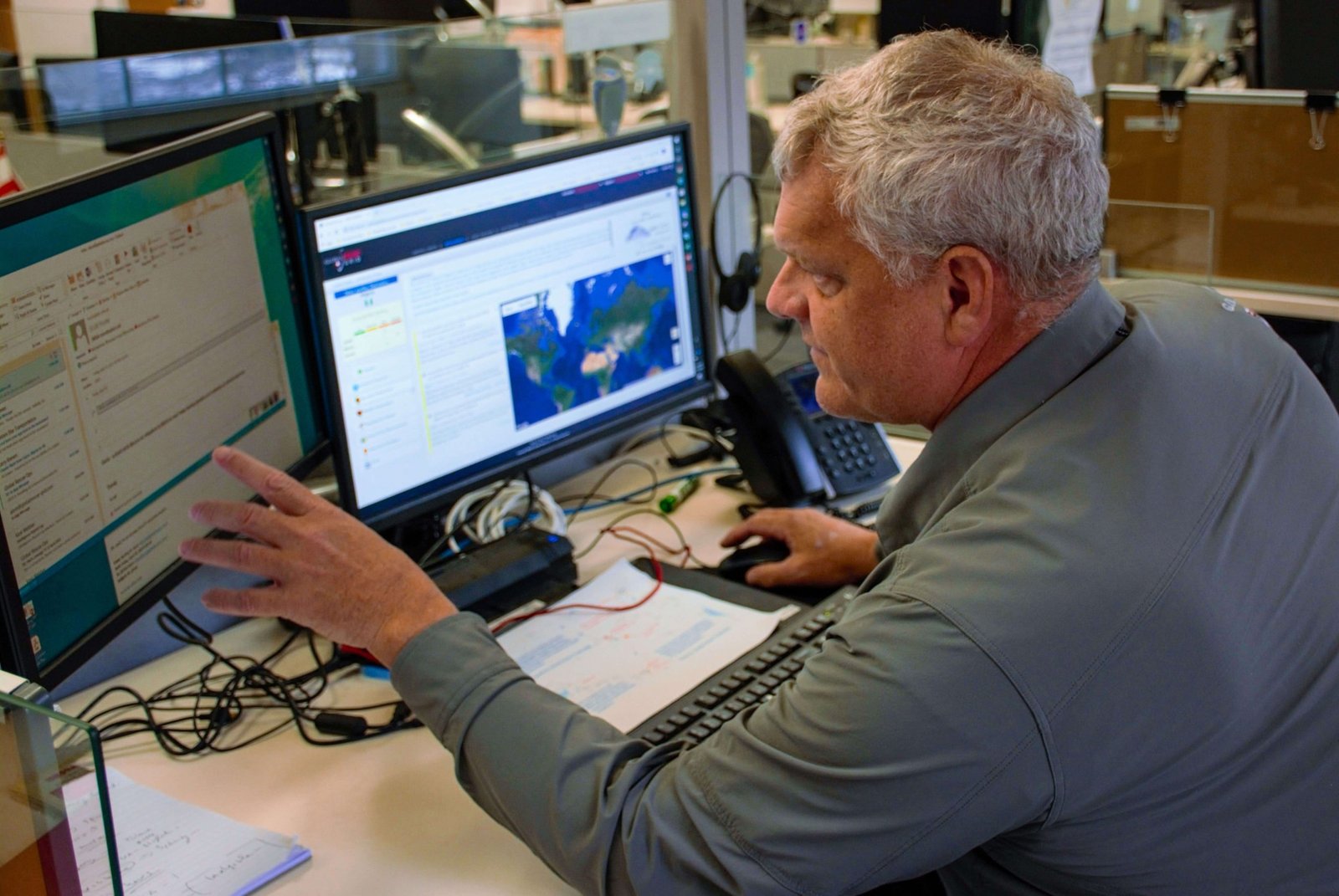
Global Rescue’s 24/7 operations center staffed by military and medical experts
During Emergency: Activation Process
When your student (or you) calls Global Rescue’s emergency number:
- Immediate expert assessment: Military/medical personnel evaluate the situation—not entry-level call center staff
- Real-time decision making: Operations team determines whether field rescue, medical evacuation, or local treatment is appropriate
- Resource deployment: If needed, Global Rescue activates helicopters, ground ambulances, medical teams, or commercial medical escorts
- Family communication: Parents receive regular updates throughout the emergency
- Ongoing coordination: Global Rescue manages the entire process until your student is home or in appropriate care
What “Medical Necessity” Actually Means
Unlike budget providers that require hospitalization before transport, Global Rescue’s medical team makes necessity determinations based on:
- Whether local medical capabilities are adequate for the condition
- Whether remaining in the current location poses medical risks
- Whether evacuation is medically advisable (physician consultation)
- Security threats that warrant immediate extraction
This is crucial: If your student is injured in a remote location and needs immediate extraction before reaching a hospital, only Global Rescue can provide that service.
By the Numbers: What You’re Paying For
The premium pricing ($469-$995/year) reflects capabilities other providers don’t offer:
- Maintaining global network of helicopters and medical aircraft
- Employing former special operations personnel and critical care paramedics
- Staffing 24/7 operations center with military/medical experts (not call center employees)
- Pre-positioning rescue resources in remote regions globally
- Providing boots-on-the-ground field rescue capabilities
Is Global Rescue Right for Your Student?
Your student will be in:
- Wilderness field research programs (Amazon, Arctic, mountain regions)
- Remote locations hours from medical facilities
- Developing countries with limited emergency infrastructure
- Adventure study abroad (Everest Base Camp treks, African safaris)
- Marine biology programs requiring boat/ocean extraction capability
- Conflict zones or politically unstable regions (with security package)
Your student will be at:
- Established urban universities (Barcelona, London, Tokyo, Paris, Sydney)
- Programs in developed countries with excellent emergency services
- Campuses with readily accessible hospitals and ambulances
- Cities where they’ll never venture into remote wilderness
- Destinations where basic hospital-to-home transport is sufficient
Reality check: You’d pay $450 more annually than Emergency Assistance Plus for field rescue capabilities your urban student will never use.
“Will my student ever be more than 2-3 hours from a hospital during their study abroad experience?”
If yes → Global Rescue’s field rescue capability provides meaningful protection.
If no → Basic hospital-to-hospital transport (Emergency Assistance Plus at $299/year) covers what you actually need.
The One Feature That Sets Global Rescue Apart
When comparing the three main medical transport providers for students, one capability fundamentally differentiates them: field rescue.
| Provider | Annual Cost (Family) | Field Rescue from Remote Locations |
|---|---|---|
| Global Rescue | $745/year | ✅ YES – Deploys teams to injury sites |
| Medjet | $375/year | ❌ NO – Hospital-to-hospital only |
| Emergency Assistance Plus | $299/year | ❌ NO – Requires hospitalization first |
Global Rescue: If your student is injured hiking in remote Peru, doing biology research in the Amazon, or kayaking in New Zealand backcountry, Global Rescue deploys helicopters and medical teams directly to the injury location. They extract your student from the field before reaching any hospital.
Medjet & Emergency Assistance Plus: Both provide excellent hospital-to-hospital or hospital-to-home transport, but cannot deploy to remote injury locations. Students must reach a hospital on their own first (Emergency Assistance Plus requires 24-hour admission).
The cost difference: You’re paying $370-$446 more annually for field rescue capability. If your student will be in remote wilderness locations, that’s potentially life-saving protection. If they’re studying in Barcelona, London, or Tokyo, you’re paying for a capability they won’t use.
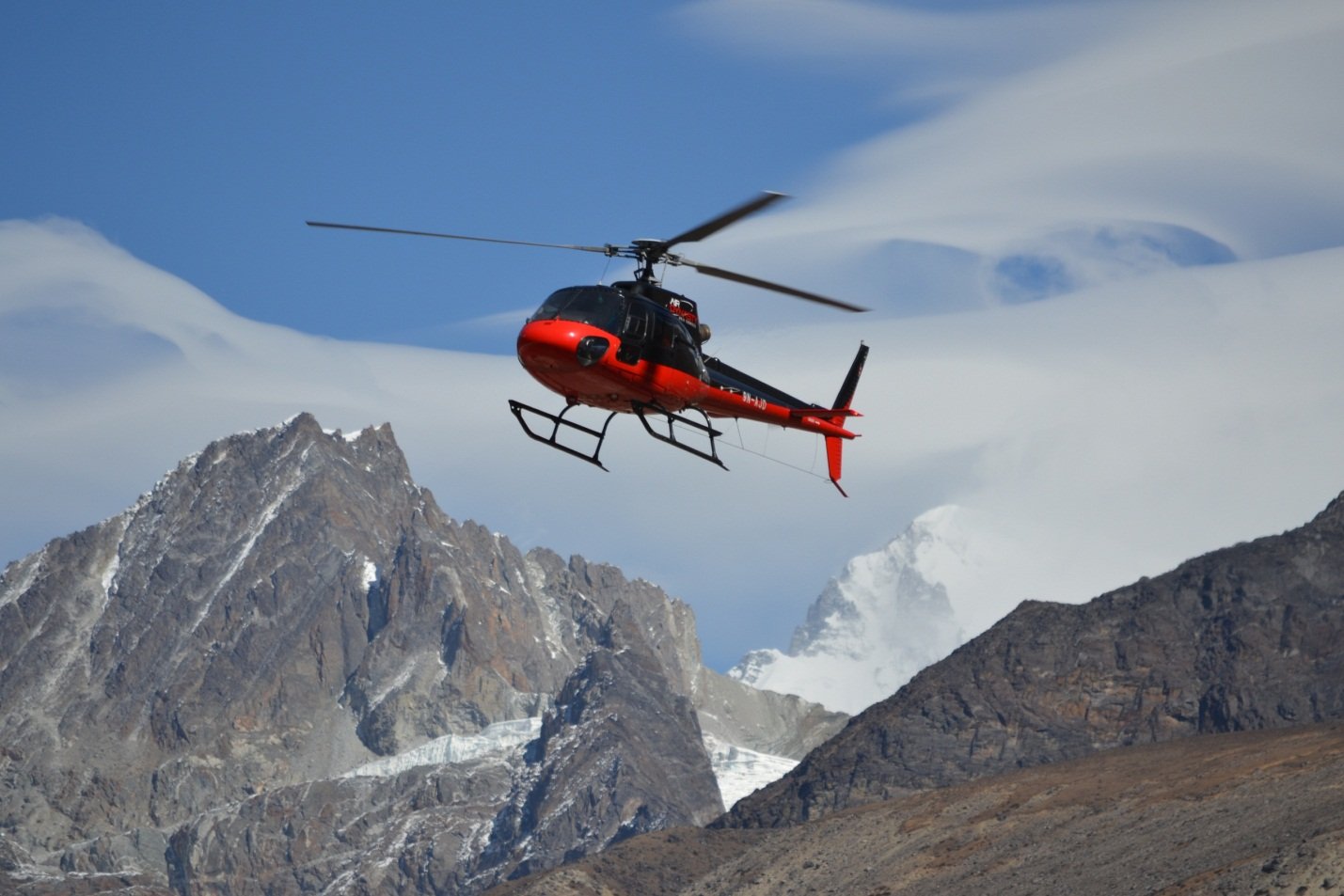
Global Rescue’s unique capability: helicopter deployment to remote injury locations
Bottom line for parents: For urban study abroad programs, this distinction rarely matters—city emergency services quickly transport students to excellent hospitals. For remote field research or adventure programs, field rescue capability could be the difference between a successful rescue and a tragedy.
Note: This article focuses specifically on Global Rescue. For a complete side-by-side comparison of all three providers (Global Rescue, Medjet, and Emergency Assistance Plus) including detailed service differences, coverage limitations, and best-fit scenarios, see our comprehensive provider comparison article.
What Parents Need to Know: Pros and Cons
What Works Well
- Field rescue capability: Only provider deploying medical teams to remote injury locations
- No hospitalization required: Broader evacuation criteria than budget providers
- Expert operations team: Former special operations personnel and critical care paramedics—not call center staff
- Unlimited costs: No dollar caps on evacuation expenses
- True worldwide access: Operates in locations where budget providers have no capability
- Pre-hospital emergencies covered: Addresses the critical gap in budget provider models
Concerns for Parents
- Premium pricing: $469-$995/year vs. $299/year for Emergency Assistance Plus
- Pre-existing conditions: Case-by-case review creates enrollment uncertainty (unlike EA+ which generally covers)
- Urban student overpayment: Wilderness capabilities unused by city program students
- Service transparency: Some members report unclear documentation about limitations
- Not health insurance: Doesn’t cover hospital bills, medications, or treatment costs
Critical Coverage Gaps Parents Must Understand
What Global Rescue covers: Rescue, evacuation, and transport services
What Global Rescue does NOT cover:
- Hospital bills and medical treatment costs
- Prescription medications and medical supplies
- Doctor consultations and diagnostic tests
- Ongoing medical care and rehabilitation
- Routine medical appointments
Essential: Your student needs BOTH travel medical insurance (to cover treatment) AND evacuation membership (to cover transport). Many parents mistakenly believe evacuation membership replaces health insurance—it doesn’t.
What Else Is Excluded
- Psychiatric emergencies requiring specialized transport facilities
- Substance abuse treatment-related evacuation
- Illegal activities or criminal conduct injuries
- War zones (unless security package purchased)
- Pre-planned medical treatment or medical tourism
- Self-inflicted injuries or intentional harm
2025 Pricing: What You’ll Actually Pay
- ✓ Field rescue included
- ✓ Medical evacuation
- ✓ Worldwide coverage
- ✓ Covers all family members
- ✓ Field rescue included
- ✓ Best value for multiple students
- ✓ All medical services
- ✓ Security threat intelligence
- ✓ Security evacuations
- ✓ Complete family protection
- ✓ High-risk destination coverage
- ✓ Security + medical services
How Global Rescue compares to the other providers:
- vs. Emergency Assistance Plus ($299 family): You pay $446 more/year for field rescue capability
- vs. Medjet ($375 family): You pay $370 more/year for field rescue capability
If your student will be in remote wilderness locations where field rescue matters, it’s money well spent. If they’re studying in urban areas (Barcelona, London, Tokyo), you’re paying for a capability they won’t use.
Pre-existing conditions: Discuss your student’s specific medical history with Global Rescue before purchasing. Case-by-case review means some conditions may be excluded.
Compare All Medical Transport Providers Before Deciding
Global Rescue’s field rescue capability justifies premium pricing for remote/adventure travel—but urban university students don’t need helicopter extraction from wilderness locations.
Before committing to any provider, understand:
- Which specific services your student’s destination actually requires
- How field rescue capabilities vs. hospitalization requirements affect coverage
- Where Emergency Assistance Plus provides adequate protection for $450 less
- When Medjet’s different service model might be better suited
- What each provider’s activation criteria mean in real emergencies
Compare Global Rescue, Medjet, and Emergency Assistance Plus side-by-side
Bottom Line Recommendation for Parents
Your student will travel to remote locations requiring field rescue, engage in wilderness/adventure activities, or study in areas with inadequate emergency services where helicopter extraction may be necessary. The premium pricing purchases capabilities that could save your child’s life in scenarios where budget providers cannot help.
Your student attends urban universities in developed countries (Barcelona, London, Tokyo, Paris, Sydney) where established emergency services eliminate field rescue necessity. Save $446 annually while maintaining adequate hospital-to-hospital transport coverage.
A Parent’s Decision Framework
Ask yourself these questions:
- Will my student ever be more than 2-3 hours from a hospital?
- Does their program involve wilderness, remote field research, or adventure activities?
- Are they going to a developing country with limited emergency infrastructure?
- Could they realistically need helicopter extraction from a remote location?
If you answered yes to any question: Global Rescue’s field rescue capability provides meaningful protection worth the premium price.
If you answered no to all questions: You’re likely paying for capabilities your student won’t use. Basic hospital-to-hospital transport coverage (Emergency Assistance Plus) provides appropriate protection at significantly lower cost.
Former EMT & Attorney Perspective
Global Rescue fills a critical protection gap that no other provider addresses: field rescue from remote locations before hospital arrival. For students conducting rainforest biology research, trekking in Himalayan regions, or participating in African wildlife programs, Global Rescue’s capabilities justify premium pricing—budget providers simply cannot extract students from wilderness emergencies.
However, for students studying in Barcelona, London, Tokyo, or Paris, Global Rescue’s premium pays for capabilities they’ll statistically never use. These cities have excellent emergency services, modern medical facilities, and rapid ambulance response. Emergency Assistance Plus provides appropriate hospital-to-hospital transport coverage at 60% cost savings.
The honest assessment: Global Rescue is exceptional at what it does, but you need to honestly evaluate whether your student needs what it does. Don’t let fear drive you to overpay for unused protection—but don’t underpay and leave your child vulnerable in genuinely remote situations either.
